Gingivitis doesn’t stay gingivitis.
Blood in the sink when you brush isn’t from brushing too hard. It’s the first sign — and the early stage doesn’t stay the early stage.
I have a quote already — just get to the point ↓

All Australian health funds accepted








We’re here to take care of you.
Those bleeding gums aren’t normal.
Healthy gums don’t bleed — not when you brush, not when you floss. If yours do, something is going on under the gumline that a toothbrush can’t reach. We’ll tell you exactly what, and what it takes to settle it.

The three stages
What’s actually happening.
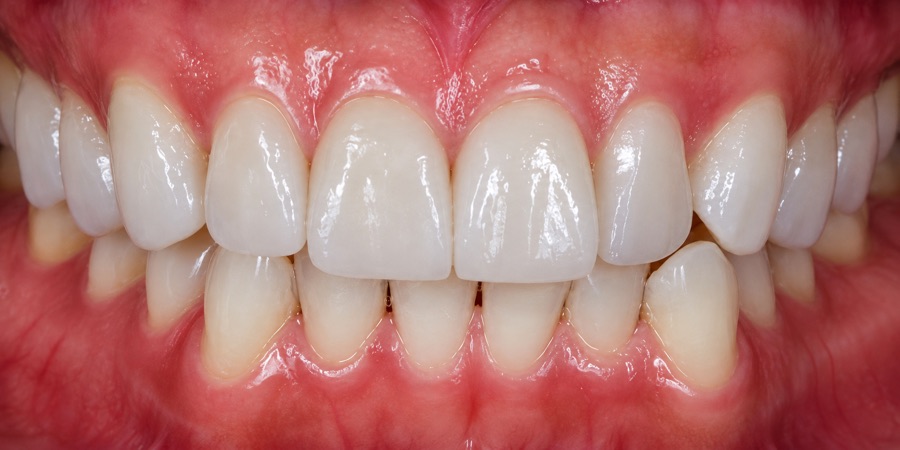
Healthy
Gum sits tight to the tooth. Firm, pale pink. Shallow pocket, no bleeding.
Read: 3 spots most adults miss →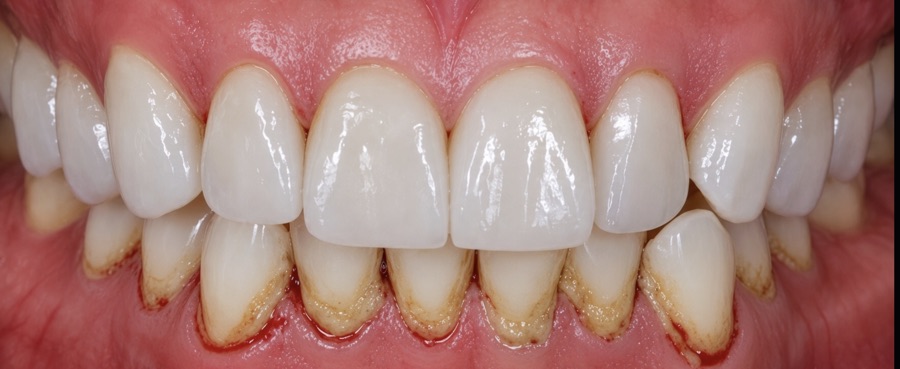
Gingivitis
Red, puffy margins and build-up along the gumline. Bone still intact — fully reversible at this stage.
Read: the reversible stage →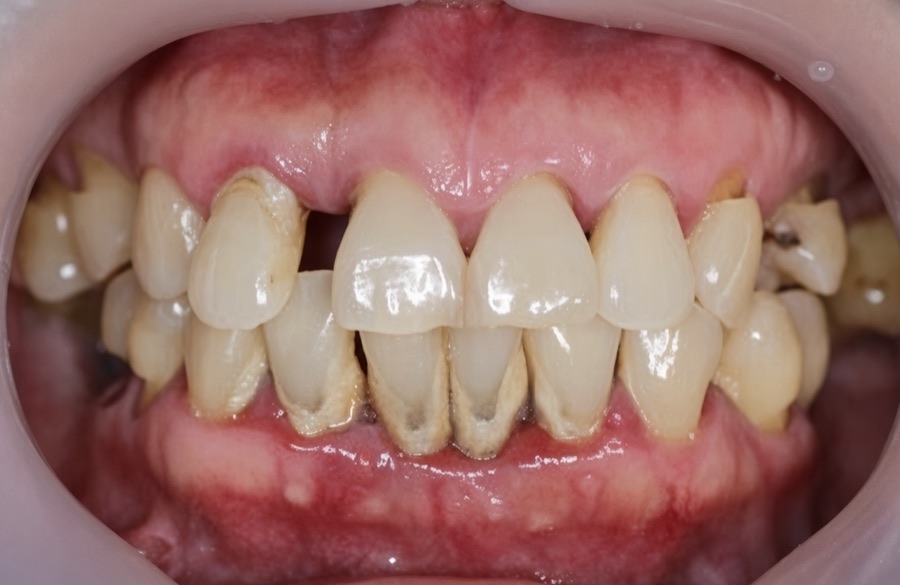
Periodontitis
Gums receded, gaps opening, teeth starting to drift. The bone holding them in is being lost.
Read: treatment by stage →The one thing to take from this page
Don’t wait.
Gum disease doesn’t fix itself. Every month you leave it, more of the bone holding your teeth in is gone — and bone doesn’t come back.
Caught early, it’s a clean and better habits. Caught late, it’s damage control.
Why it matters
Why that’s not something to sit on.
Bleeding is inflammation, and inflammation is the body responding to bacteria sitting where a brush can’t reach — just under the gum.
At the gingivitis stage it is entirely reversible. Clean out what’s under there, change a couple of habits at home, and the gum settles back down.
Left alone, the same bacteria work deeper and the body starts breaking down the bone around the tooth to get away from them. That’s periodontitis, and it is the most common reason adults lose teeth.
Bone doesn’t grow back. Treatment stops the loss where it is — which is why the stage you’re at when you walk in decides everything that follows.
Which one you need
Start by finding out.
One problem, looked at properly — to find the underlying cause rather than guess at it.
The general clean — and for most people, this is the one that’s actually needed.
Most patients end up needing exactly that — a general clean, plus tailored instruction for what to do at home between visits. Not everything that bleeds is periodontitis, and we’d rather tell you that than treat you for something you haven’t got.
Cover
Where you’re covered.
Bupa preferred providerMembers don’t pay more here — you pay what Bupa and we have agreed. Because we’re a Bupa provider, the amount is set by your fund, not by us.See our listing →nib preferred providerMembers don’t pay more here — you pay what nib and we have agreed. Because we’re an nib provider, the amount is set by your fund, not by us.See our listing → Bulk-billed for eligible kidsNo out‑of‑pocket cost for children who qualify.Check eligibility →
We run HICAPS on the spot, so you see the exact number before you pay. Most funds reset annual limits on 1 January and unused limit typically doesn’t carry over — policies differ, so check yours with your fund. For Bupa and nib the amount is set by your fund under our provider agreement.
Things people ask
Open what’s relevant to you.
Already quoted elsewhere? Here’s what we charge.
All figures assume your fund contributes nothing. Some extras policies contribute toward periodontal treatment and some don’t, and the amount is set by your fund.
What does the $80 focused consult cover?
One problem you’ve already noticed — a sore tooth, a spot that keeps bleeding, something that’s changed.
You get the exam for that area, the X‑rays needed to see it, and a straight answer on what’s causing it and what it would cost to fix.
And what does the $120 cover instead?
$40 more than the focused consult, and it covers the whole mouth rather than one spot.
Whole‑mouth examination, X‑rays, full gum charting, and a written treatment plan with every price on it — including anything you haven’t noticed yet.
If you’re not sure which tooth is the problem, or you want the full picture before committing to anything, this is the one.
Do I need a referral?
No.
Will I be pushed into a deep clean?
No. Most people need a general clean and better home care, and that’s what we’ll book you for. A deep clean is only recommended when charting shows pockets a regular clean can’t reach.
What’s the appointment actually like?
The area is numbed properly. Nitrous oxide is available if you’d like it.
Every appointment includes the X‑rays needed to see what’s going on. Nothing is added on afterwards, and you’re told what’s needed and what it costs before anything starts.
Mon–Fri 9–6, Sat 9–4. English, Arabic and Urdu spoken.
Does gum treatment hurt?
You’re numbed. Most people find it comparable to a long filling appointment.
Will my gums grow back?
No. Treatment stops further loss and settles the inflammation. Existing recession stays.
I’m already having maintenance elsewhere. Can I move across?
Yes. Bring your last periodontal chart if you have it. Maintenance visits here are $400, inclusive of relevant X‑rays and an updated chart.
Can I claim it through my fund?
Bring your card and we’ll run HICAPS on the day, so you see your out‑of‑pocket before you pay.
We’re a Bupa and an nib provider, so for those two the amount is set by your fund under our provider agreement — not by us. For any other fund, what comes back depends on your policy and your remaining limit.
Book it in.
Online any time, or call the clinic and we’ll find you a spot.
No referral needed · Full cost confirmed before anything starts · HICAPS on the day
184 Woodburn Road, Berala NSW 2141
Mon–Fri 9–6 · Sat 9–4 · English · Arabic · Urdu